
Authentication
Your cotton has a fingerprint.
Isotech reads it.
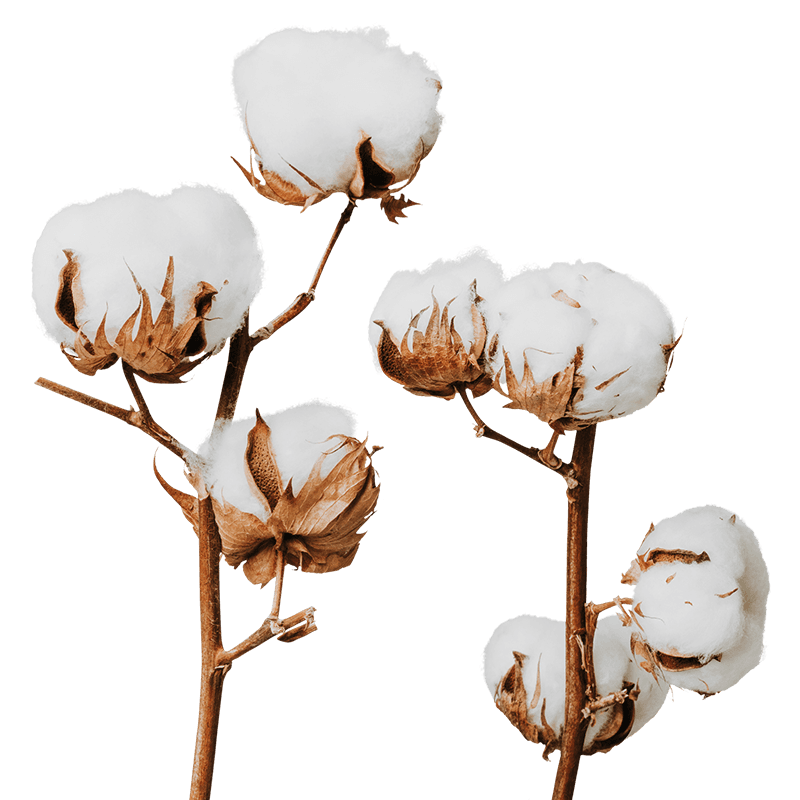

A U.S.-Based Solution for Cotton Origin Enforcement
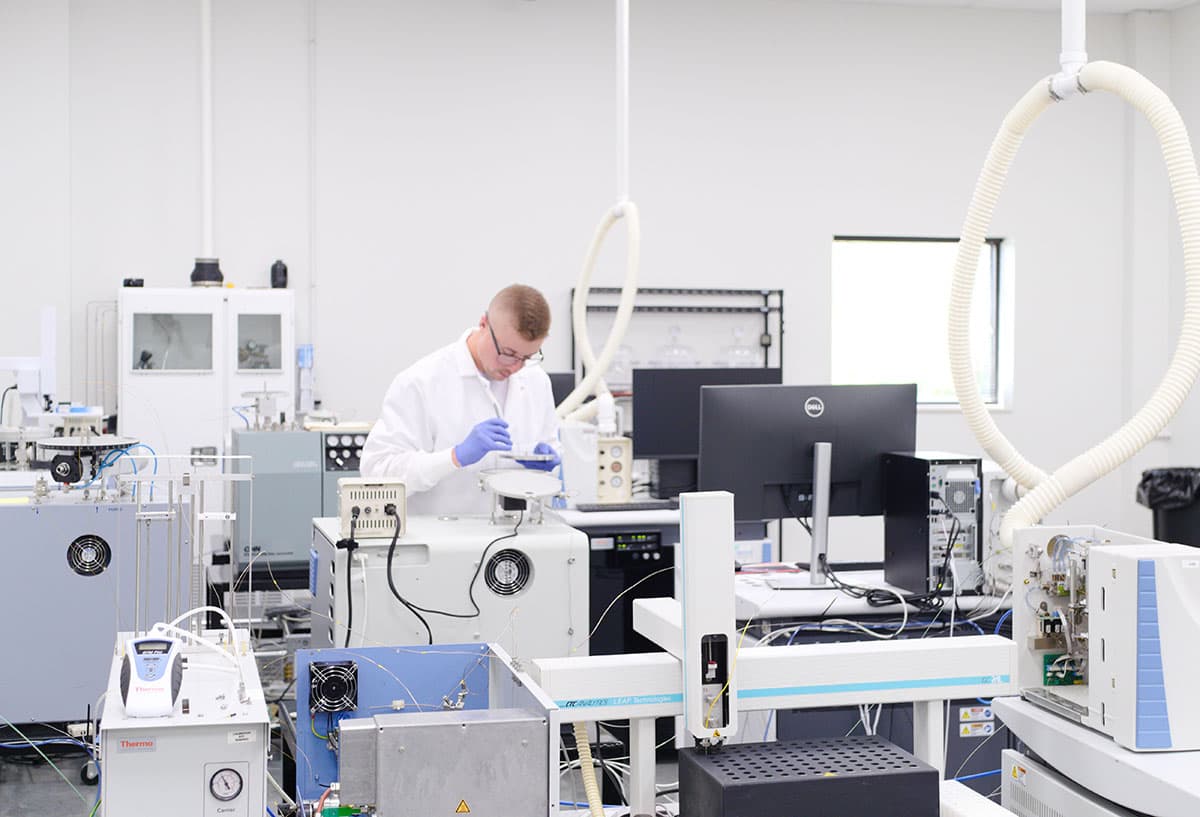
Isotech is the largest commercial U.S. isotopic laboratory providing cotton and textile fiber origin authentication meeting enforcement requirements for the Uyghur Forced Labor Prevention Act (UFLPA).
- Fast sample processing and report turnaround
- Results accepted by Customs and Border Protection
- No cross-border data transmission
- No foreign server exposure
- No risk of sensitive information leaving U.S. jurisdiction
Results that Move Shipments
Isotech's reports have been used by importers to support the release of numerous cotton products detained under the UFLPA, with results accepted by CBP in real-world enforcement matters.
From Detained to Delivered
A cotton garment shipment was flagged by CBP under the UFLPA. The importer had supplier documentation, but needed scientific proof. Isotech tested samples from the detained shipment, delivered a formal origin report, and the importer submitted the findings to CBP. The shipment was released.
The Blend Isn't a Barrier
A stretch denim (cotton, polyester, and elastane) raised a red flag regarding the cotton's origin. Standard chemical testing can't isolate the cotton component. Isotech stripped out the synthetic fibers, isolated the cotton's isotopic signature, and delivered a clear origin determination on the cotton itself.
Testing at Every Step
A brand wanted to validate its supplier's origin claims before goods reached the U.S. border. Isotech tested samples at four points — raw fiber, yarn, fabric, and finished garment — and confirmed a consistent isotopic signature throughout. End-to-end chain of custody, backed by science.
The Science Behind the Answer
Stable Isotopic Analysis
- Cotton absorbs its environment as it grows.
Cotton's isotopic composition is determined by factors including water source, latitude, and altitude. - Samples are sent to our lab.
The isotopic composition remains consistent through every stage of the supply chain, from raw fiber to finished goods. - We capture the unique isotopic “fingerprint”.
Stable isotope ratios provide a scientifically proven tool for confirming the sample's geographic origin. - We map the results to a specific region.
Isotech maintains a reference library of cotton samples covering over 96% of all traded cotton. - Results are delivered with certainty.
The final report includes findings on origin with full interpretive support from our expert geochemists. We can also evaluate samples against risk origins.

Blends, Yarns, Finished Goods. No Sample Too Complex.
Cotton can be tested at any point in the supply chain — from raw fiber through yarn, fabric, and finished garments. Isotech also handles blended fabrics, including polyester, nylon, rayon, viscose, and elastane, by quantitatively removing the non-cotton fiber component. This is critical for UFLPA enforcement, where blended textile goods represent a significant share of detained shipments.
More data. Less cost. Fast results.
When origin matters, trust Isotech — the most experienced isotope lab in the U.S. with 40 years of science, over one million samples analyzed, and results CBP accepts.